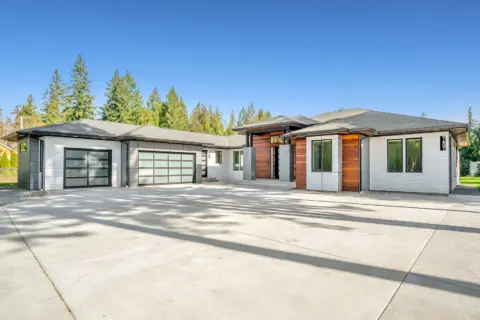
A buyer who treats a Raslouw smallholding like a four-bedroom in Eldoraigne is heading for a hard lesson. The checklist for a suburban sale in Centurion will not cover the factors that determine whether a hectare-plus property is an asset or a money pit. Boreholes fail. Septic systems collapse. The workshop you plan for your business might have no lawful use. Space and freedom are real, but so are the differences between what looks good on a Sunday viewing and what will survive a bank valuation, an insurance claim, or a City of Tshwane compliance inspection.
Why the Suburban Playbook Fails
Standard Centurion residential sales run on familiar rails. Municipal water, sewerage, and electricity are assumed. Roads belong to the municipality. Zoning is almost always Residential 1. A smallholding in Mnandi or Gerhardsville changes this. You are buying into private infrastructure, conditional land use, and shared obligations with neighbours you may not have met yet.
Land sizes alone change the arithmetic. A suburban stand in Highveld or Faerie Glen might measure 800 square metres, but smallholdings start around one hectare and run to five or more. This scale offers possibilities like workshops, stabling, extra cottages, and storage yards, but it also brings complexity that no estate agent’s glossy brochure will fully disclose.
Water is the first fracture point. Many smallholdings have no municipal connection. The borehole that looked fine in March might deliver half the yield by September, or test positive for E. coli, nitrates, or heavy metals that make it unfit for human consumption. A pump certificate from three years ago is outdated. You need a current yield test in litres per hour and a SANAS-accredited quality analysis before you commit.
Consider what happens after the water goes down the drain. Septic tanks and soak-aways are private systems with finite lives. A saturated drain field in winter clay soils can back up into your garden by spring. Ask when the tank was last pumped. Walk the soak-away area and look for suspicious green patches or soggy ground. Replacement costs run well into five figures, and a bank valuer will not ignore a failed system.
The Legal Layer Beneath the Soil
Smallholding title deeds are thick with conditions that suburban buyers rarely encounter. Servitudes for power lines, pipeline access, or neighbour’s road rights can slice across your land and constrain where you build, farm, or fence. Some are ancient, poorly mapped, and only surface when a new owner tries to develop.
Zoning is another minefield. Agricultural Residential, Rural Residential, and the various consent-use categories in the City of Tshwane each permit different activities. The cottage you plan to rent out, the guesthouse you dream of running, the workshop for your contracting business, none of it is lawful without the correct zoning or approved consent use. The seller’s assurance that “the previous owner did it for years” counts for nothing when the municipality issues a compliance notice or the bank refuses to register a bond.
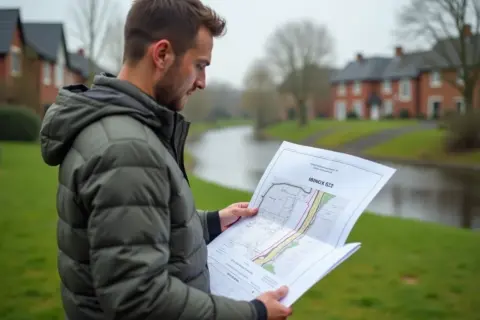
Before you offer, pull an official zoning certificate from the City of Tshwane. Trace every servitude on the title deed against a physical walk of the property. If the deed mentions a road servitude, drive it and determine who maintains it. Private gravel roads in Raslouw and Gerhardsville can deteriorate fast, and the cost of grading and drainage may be shared among three or four owners with no formal agreement.
What the Ground Itself Might Hide
Parts of Centurion sit on dolomite formations that can destabilise without warning. Sinkholes have opened in surrounding areas, and insurers have long memories. If the property falls within a dolomite risk zone, a professional stability report is not optional. Most bond originators will flag this as a condition before an application even reaches a bank.
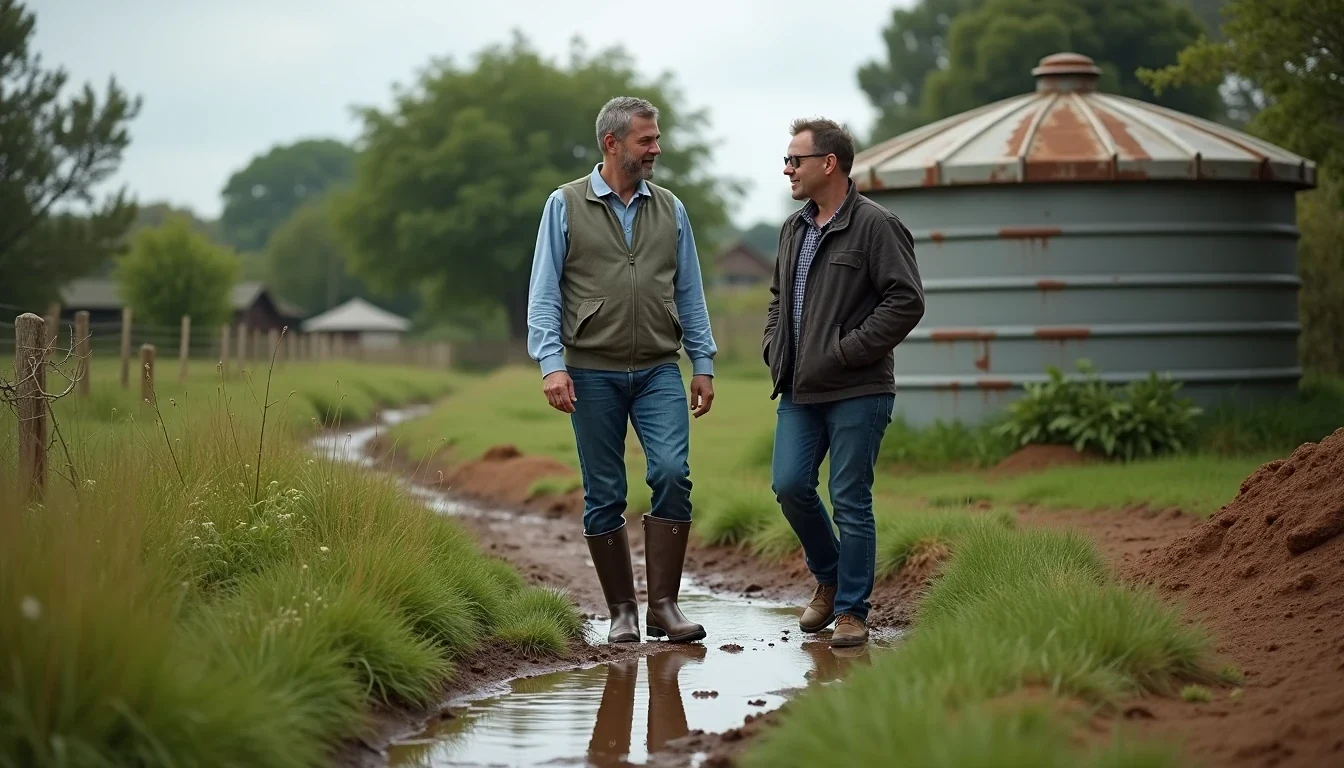
Flood risk is equally localised. Low-lying holdings near seasonal watercourses, particularly in Mnandi, can look idyllic in winter and become islands in a heavy summer thunderstorm. Ask for floodline certificates and check whether any outbuildings or access roads sit below the 1:100-year line.
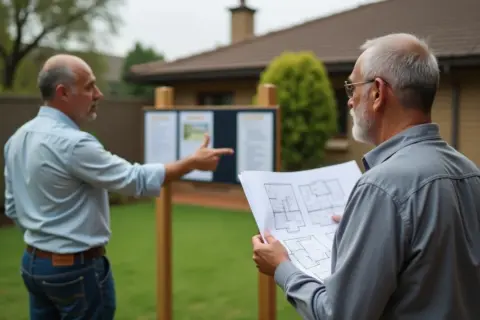
Approved building plans matter more on smallholdings than almost anywhere else in residential property. Every structure (main house, cottage, staff quarters, workshop) must have plans registered with the City of Tshwane. Unapproved buildings are common. Sellers often added them over years without consequence. Consequence arrives the moment you need finance or insurance. Banks devalue unapproved structures to zero. Insurers may reject claims for fire or storm damage on buildings without certificates of occupancy. The cost of retrospectively regularising plans, if it is even possible, falls on the new owner.
Financing and Insurance Reality
Lenders view smallholdings as specialised, illiquid assets. Deposit requirements of 20 to 30 percent are standard, compared to 10 percent or less for suburban homes in Midstream or Waterkloof. Interest rates may edge higher. The bank’s valuer will not compare your Gerhardsville holding to a recent sale in Garsfontein. They will hunt for registered transfers of similar smallholdings in the same area, and there may be few.
This valuation methodology matters for your offer. Asking prices on property portals are not sold prices; they are hopes, sometimes wildly optimistic ones. Before you formulate an offer, study actual registered transfers of smallholdings in Raslouw, Mnandi, or Gerhardsville over the past twelve months. Your bond originator can help access these. Base your number on what has actually cleared in the deeds office, not on what three current listings are asking.
Insurance compounds the complexity. Distance from fire stations, the condition of private access roads, the presence of multiple dwellings or business activities, all push premiums up and can require specific endorsements. Solar installations, borehole equipment, and outbuildings need to be scheduled separately. If you intend any commercial use, even a home office with client visits, disclose it fully. A claim denied for non-disclosure is worse than no insurance at all.
The Experts Worth Paying Before You Pay the Seller
A Centurion town planner who knows the City of Tshwane’s rural zoning frameworks is worth their fee several times over. Ask them precisely what the property’s zoning permits and what consent uses would require. If you harbour any thought of subdivision, get a straight answer on feasibility and timeline. The spatial development framework for Raslouw Agricultural Holdings may have changed since the seller bought. Do not rely on their memory.
A mortgage originator with smallholding experience can save weeks of frustration. Not every bank panel valuer is comfortable with rural-residential property. The right originator knows which lenders are currently lending, what their valuers look for, and how to present an application that does not bounce for incomplete documentation. They can also flag whether the property’s characteristics (unapproved structures, unclear business rights, borehole dependence) will trigger a reduced valuation that torpedoes your financing.
A Harder Purchase, But Not a Bad One
Smallholdings in these Centurion fringe areas offer something genuine: space, privacy, the ability to keep horses or run a workshop without neighbour complaints, multiple generations under one property’s roof. The due diligence is harder because the rewards are less standardised. A suburban home in Eldoraigne is a known product. A smallholding is a small business and a small infrastructure network folded into one transaction.
Go in with eyes open, the right professionals on your side, and a checklist that starts where the suburban one ends. The alternative is discovering, six months after transfer, that your borehole cannot sustain your household, your cottage is unlawful, your access road has no maintenance agreement, and your insurer has just voided your policy. That is a capital loss.