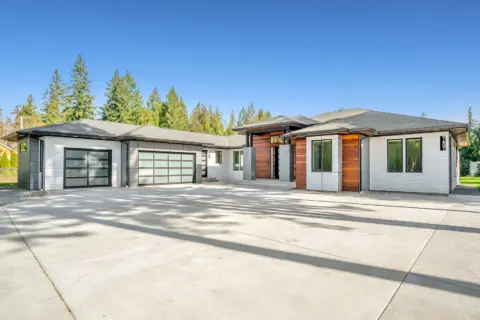
Centurion buyers have started walking into viewings with a different first question. They ask, “What happens here when the lights go off and the taps run dry?” not “How big is the kitchen?” This tells you a lot about the market. A neat quartz counter looks good in photos, but a home that keeps working during outages feels more valuable the moment the grid misbehaves.
Around Centurion, that change is easy to understand. Load shedding taught people to notice inverters, batteries, tanks, and boreholes the way they used to notice a braai area or a double garage. The trick is not to fall for shiny kit. Some systems are properly installed, properly included in the sale, and genuinely useful. Others are expensive decorations with a cable or two attached.
Start with the power system
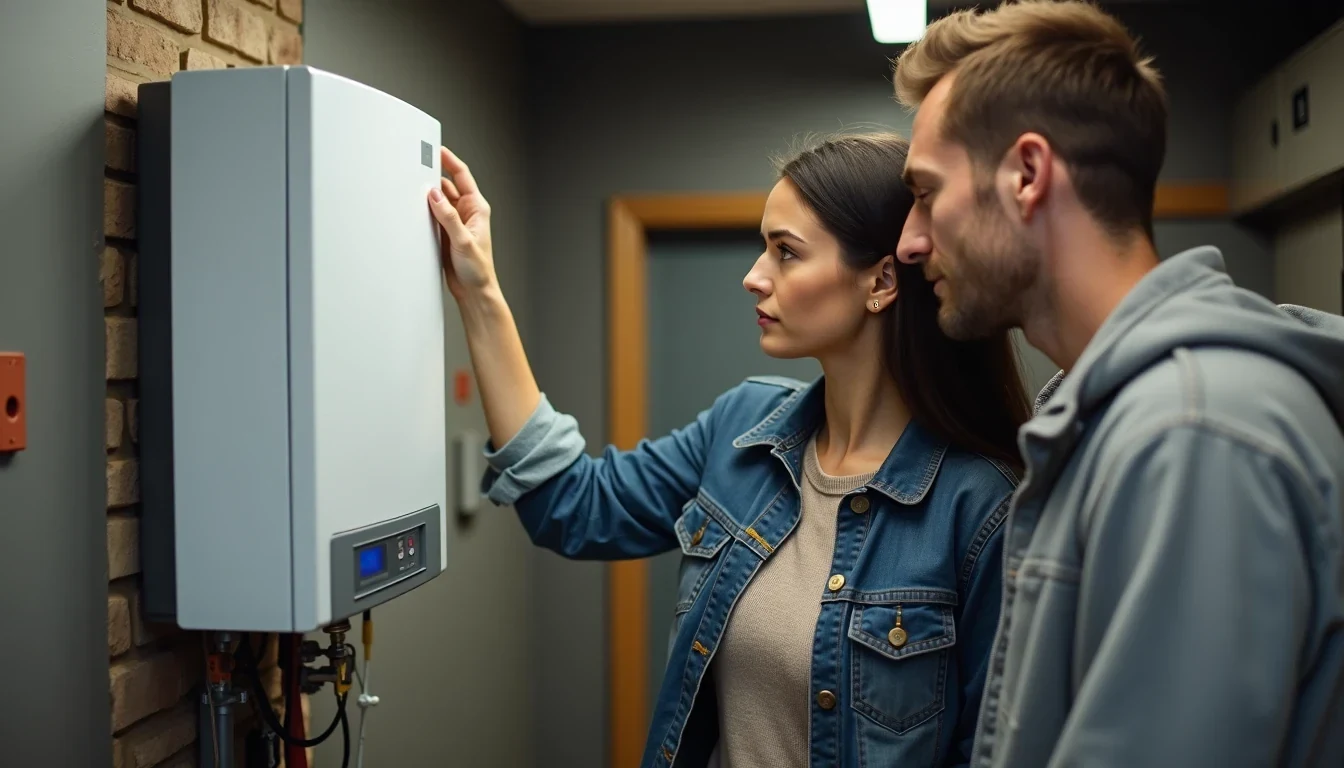
If a home has an inverter and battery setup, look beyond the brand sticker. Ask where it is mounted, how tidy the installation is, and whether it sits in a sensible place such as a garage or utility room. A clean, well-secured installation with proper conduit and labelled components usually tells you more than a sales pitch ever will.
Then ask what the system actually is. Find out the inverter size and the battery capacity; these two numbers tell you far more than a vague “backup power” claim. A system with a modest battery usually keeps essentials alive, such as lights, Wi-Fi, the television, the fridge, and some charging points. It is not a magic shield against every power cut in the house.
This distinction matters. Buyers often assume the inverter will carry the geyser, oven, kettle, pool pump, and air conditioner as though the municipal supply never left. In real life, high-draw appliances drain batteries fast and can overload the system. If you want to know whether the home is truly set up for heavy use, ask for the load plan. Which circuits are on backup, and which are not?
Ask for the Electrical Compliance Certificate as well. A proper inverter and battery installation should have one, and it should line up with the actual work that was done. If the seller cannot produce it, that is a problem, not a detail. The certificate shows the installation was done to the required electrical standard, which is the kind of paperwork you want before you inherit someone else’s wiring choices.
Check whether it stays with the house
This is where buyers get caught. A system can look permanent and still not be part of the sale. If the inverter is wall-mounted, wired into the house, and clearly integrated into the electrical setup, it is more likely to be treated as part of the property. If it sits on a trolley, plugs in like a portable unit, or looks easy to lift out, do not assume it will remain.
The only place that really settles the question is the Offer to Purchase. The system should be listed there if it is included. If it is not written down, do not rely on a casual “yes, it stays” from anyone. Get the agent to confirm it with the seller and make sure the wording is clear before signatures start flying.
The same logic applies to any extras around the setup. Ask whether the batteries, cabling, changeover gear, and monitoring equipment all form part of the sale. Sellers sometimes think of the inverter as one item and everything else as loose add-ons. Buyers should not have to guess.
Do not assume the house can run forever
A standard residential backup setup softens the blow; it does not erase it. The practical question is not whether the house has power, but how much power it has and for how long. A 5kVA inverter with a 5kWh or 10kWh battery can be perfectly useful, but only if your expectations are realistic.
If the seller says the home “runs on backup,” ask what that means in plain language. Can it keep the lights on and the fridge cold for a few hours? Can it also handle entertainment, home office equipment, and security? Or does the system drop out the moment the kettle boils? That answer tells you whether the system fits the lifestyle you are buying into.
Solar makes a difference, if it is part of the setup. Panels can help recharge batteries during the day, which stretches the system’s usefulness when outages drag on. But if there are no panels, or the array is too small for the load, the backup time is still finite. A buyer in Highveld with a work-from-home routine needs a different answer from someone who only wants the TV and alarm system to survive load shedding.
Water matters just as much
Centurion buyers are now asking about water resilience before they ask about stone tops. This is practical. A home that looks great but loses pressure the moment the municipal supply coughs is a nuisance waiting to happen.
Boreholes, tanks, and estate water systems all solve different problems. A borehole gives access to underground water, but it comes with its own realities. Ask whether there is a submersible pump, a pressure pump, and filtration in place. Ask when the water was last tested. Borehole water can be useful, but it is not automatically ready to drink, wash with, or trust without checking.
A tank system works differently. It may store rainwater, municipal water, or both. Ask about the tank size, whether there is a first flush diverter for rainwater, and how the water gets into the house. Tanks do not help much if the pump is weak or the pressure is patchy. You want to know whether the showers stay usable or whether everyone ends up waiting their turn for a trickle.
Pressure is one of the first things people forget to ask about. A backup water setup that cannot hold pressure across the taps, showers, and appliances is a half solution. If there is a pump, ask when it was last serviced, what type it is, and whether it is powered by the grid, a solar setup, or the backup power system. Water that exists only when the electricity does is not much comfort during an outage.
Estates and complexes can make the difference
In places like Midstream and other Centurion estates, some of the resilience sits at communal level. That can be a real advantage, but it needs checking. Ask what the HOA or body corporate provides for water and power. Some estates have communal storage, boreholes, or bulk backup arrangements for water. Some also keep security systems, gate motors, streetlights, and common area lighting going during outages.
Do not stop at the headline. Find out who maintains the system, what the resident contribution covers, and whether there are rules around private additions. Some estates are strict about where tanks can sit, what solar gear can look like, or whether there are noise and aesthetic limits. A buyer who ignores those rules can end up with an expensive system that the HOA does not like.
It also helps to ask what happens when the communal system is under pressure. A shared borehole or reservoir is useful only if it can carry the estate when demand rises. The same goes for power. If the gates, lights, and cameras stay up but the individual house still needs its own backup, then the estate has solved one layer of the problem, not all of it.
The sale may move faster, but value is another story
A house with decent water and power resilience is easier to sell than one that leaves buyers nervous. That much is clear in Centurion right now. People want fewer surprises, not more of them, and they will often pay attention to the home that feels ready for ordinary life.
That does not mean every rand spent on an inverter, battery, borehole, or tank comes back in the sale price. It usually helps the sale, and it can make the property more appealing, but buyers should not assume they will recover the full cost in value. The real gain is often speed, convenience, and reduced friction during the viewing.
So when you walk through a home in Eldoraigne, Faerie Glen, or Waterkloof, do not get hypnotised by the kitchen finishes first. Ask where the power comes from when the grid drops. Ask how the water behaves when the pressure disappears. Then ask what stays with the house, what needs approval, and what still belongs to the seller. Those are the questions that protect a buyer in Centurion.