A great view can hide a very expensive mistake. In parts of Centurion, especially anywhere tied to the Hennops River system, the water does not care that the house sold well, the garden looks dry, or the seller swears it has “never flooded”. If the stand sits inside an official floodline, or if the street drains choke in a hard storm, the risk is still there.
Buyers need to treat flood risk as part of the property file, not as a bit of weather trivia. The right question is not whether a house has survived normal summers. The right question is what happens when Tshwane gets the kind of rain that exposes the weak spots in the land, the stormwater system and the way the house was built.
Centurion Has Two Flood Problems
Centurion has two flood problems.
The first is river flooding, where the Hennops rises and spills into low-lying ground near its natural path. This usually affects properties closest to the river or the floodplain around it.
The second problem, local stormwater backup, people dismiss too quickly. A property can be nowhere near the river and still get hit when culverts, road drains, gutters and municipal pipes are overwhelmed. Water then backs up into streets, driveways and yards, sometimes fast enough to cut off access before it even reaches the house.
Tshwane’s climate-risk work already flags flooding as a material issue in parts of Centurion. This should be enough to stop anyone from treating a seller’s memory as final proof. “We have never flooded” is a statement about the past, not a guarantee about the next violent storm.
Start With The Right Documents
If you are buying near the Hennops system, start with paperwork before you start imagining furniture.
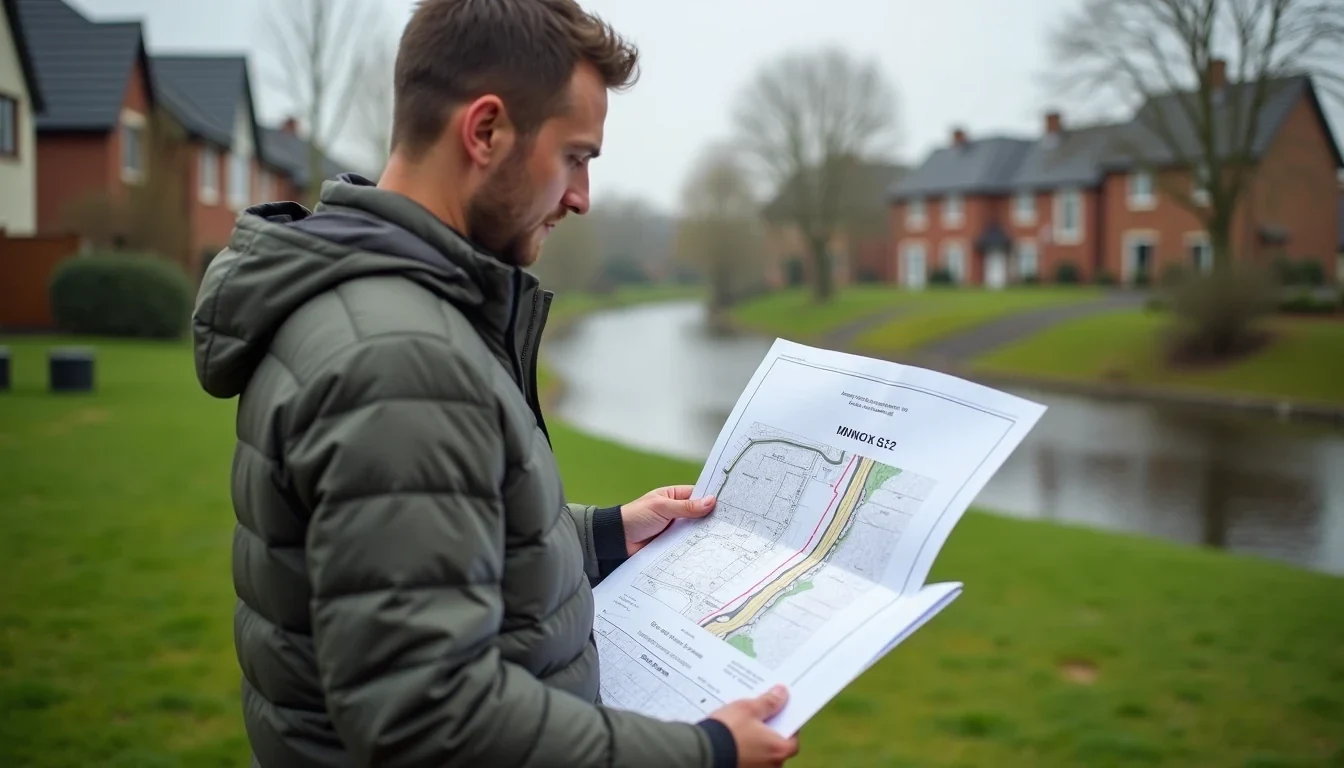
The surveyor-general diagram is one of the first files to pull. It gives you the legal outline of the stand, its dimensions and any servitudes or restrictions that sit across it. On some properties, that can reveal a watercourse, drainage servitude or slope pattern that explains why water moves the way it does.
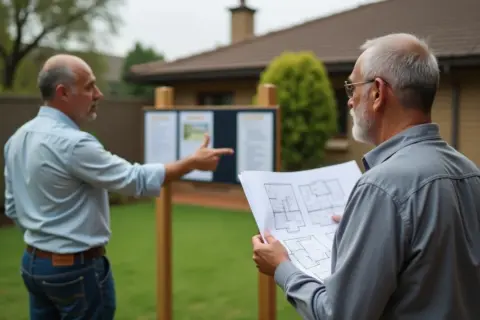
Then get the approved site plan from the municipality. This plan shows where the house was approved, how the buildings sit on the erf and, in some cases, the finished floor levels and drainage arrangements. If the finished floor level is low, or if the site has been laid out in a way that pushes water toward the structure, you want to know that before you sign.
The next stop is the City of Tshwane’s floodline information. Do not rely on a vague map screenshot or a neighbour’s recollection. Ask for the official position of the floodline against the erf number and township name. A stand can be dry most years and still sit inside a legally defined flood area based on a 1:50 or 1:100 year event. The risk does not disappear just because it has not shown itself recently.
Ask The Insurer Before You Ask For The Bond
A lot of buyers only speak to the insurer after the offer is accepted. That is too late.
Before you go further, ask what the policy counts as flood cover. Find out whether river overflow, flash flooding and stormwater backup are treated the same way. They are not always, and that difference can change the premium, the excess and whether the claim is paid without a fight.
Ask whether a property inside an official floodline changes eligibility or pricing. Ask whether retaining walls, boundary walls, paving, outbuildings and landscaping are treated differently from the main dwelling. Ask what happens if water enters slowly through poor drainage rather than arriving in one dramatic rush. Also ask for the rebuilding sum to be checked against the real cost of reconstruction, not just the market value of the house.
If there is known flood history in the area, disclose it. That includes the major Centurion flood events in December 2019 and January 2020. Insurers do not enjoy surprises, and neither do buyers who discover exclusions after the damage has already happened.
Walk The Property After Rain
A sunny viewing tells you almost nothing. A wet property tells you the truth.
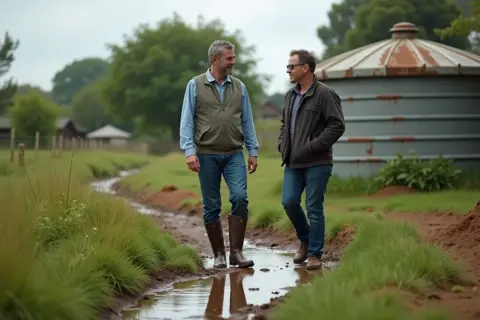
If you can, visit after heavy rain. Watch where the water sits. Driveways, patios, lawns and paths will show you whether runoff leaves the site or collects in shallow dips. Check whether the street drains carry water or whether the road starts looking like a canal.
Look closely at retaining walls. Cracks, bulging, leaning and erosion behind the wall are not cosmetic details. They often point to pressure and drainage problems that will only get worse under repeated soakings. Clear weep holes are important. Gutters and downpipes that actually move water away from the foundations instead of dumping it beside the walls are also important.
Inside and outside, look for staining, damp patches, peeling paint and silt marks. These are not proof of a flood, but they are evidence that water has been where it should not be.
Talk To The Neighbours
Neighbours often know more than the agent, the seller and the glossy listing combined.
Ask them whether the street stayed passable in past storms. Ask if vehicles could get in and out during heavy rain. Ask whether the area has a habit of losing access, backing up at the kerb or sending water across driveways. People who live there know which corner turns into a problem, which drain gets blocked first and which part of the road floods before the rest.
That local memory is useful because it separates a property issue from a neighbourhood issue. Sometimes the house itself is sound and the street is the weak link. Sometimes the house sits high enough, but the access route becomes the real problem when it pours.
Do Not Turn Suspicion Into A Label
There is a line between doing proper due diligence and publishing a claim you cannot prove.
Do not call an individual home flood-prone unless you have the official documents and the site inspection to back it up. A buyer can investigate risk thoroughly without sticking a label on a specific stand that may not hold up. Keep the focus on evidence, not gossip.
The sensible sequence is simple. Pull the surveyor-general diagram. Get the approved site plan. Request the municipal floodline information. Speak to the insurer. Walk the property after rain. Ask the neighbours. Separate river flooding from stormwater backup. Only then decide whether the great view is worth the risk sitting underneath it.
A Centurion Buyer Should Read Water Before They Read Curb Appeal
In suburbs near the Hennops, the prettiest house is not always the safest buy. Centurion has enough history, enough terrain and enough broken stormwater moments to make casual assumptions expensive. The seller’s line about never flooding may be true in the narrow sense and useless in the practical one.
If the documents, the site, the insurer and the street all tell the same story, you can buy with your eyes open. If they do not, believe the wet ground before you believe the brochure.