A good show day tells me more in two hours than some sellers learn in two weeks of waiting for “serious interest.” If people walk through a Centurion home, linger in the kitchen, measure the garden with their eyes, then leave without making a move, that is not bad luck. The market is being plain with us.
I treat show day as a live pricing test. Flowers, baking, and fresh towels can make a home feel cared for. But the real job is to see whether buyers think the price matches what they are standing in. In Highveld, Eldoraigne, Faerie Glen, Garsfontein, Waterkloof, and Midstream, that feedback arrives fast, and it is usually far more honest than a seller wants it to be.
What actually matters before the doors open
The best preparation is boring, and that is exactly why it works. A show day is not the moment for a makeover; it is the moment to make the home easy to read.
Start with space. Pull out excess furniture, pack away family clutter, clear kitchen counters, and remove the little piles that make rooms feel smaller than they are. A buyer should walk in and see the room, not the owner’s life scattered across it. Family photos, heavy ornaments, and too many small objects all get in the way of that first read.
Then clean properly. Not a surface tidy, but a thorough cleaning. Windows, floors, bathrooms, shower screens, grout, taps, skirtings—the lot. A clean house photographs well, and it tells buyers the place has been looked after. A chipped wall or a dusty sill makes people wonder what else has been ignored.
Minor repairs matter too. Fix the dripping tap. Replace dead bulbs. Tighten the loose handle. Patch small holes. These are tiny jobs, but buyers notice them one by one, and they add up to a feeling of neglect if you leave them.
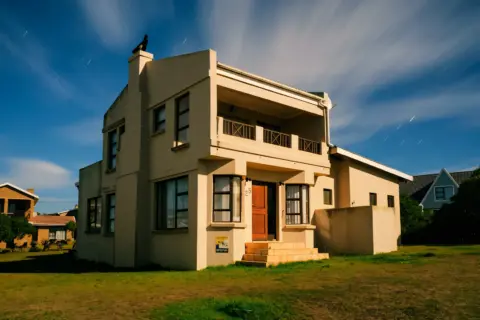
Outside, do the same. Cut the lawn, trim the edges, sweep the paving, clean the front door, and make the entrance feel cared for. In Centurion, plenty of buyers do a drive-by before they even book a viewing. If the front of the house looks tired, some people never make it through the gate.
Expensive stuff wastes time. A kitchen overhaul for a show day usually pays you back badly, if at all. The same goes for a bathroom project or trying to impress with décor that only suits your own taste. Buyers are not there to award points for style. They are there to decide whether your price makes sense.
Why I want the seller out of the house
I know sellers often want to stay and “help.” It almost never helps.
When the owner is present, buyers become polite in the worst possible way. They stop speaking freely. They do not open cupboards as casually. They soften their opinions. The partner who really wants to say the kitchen is too tight or the garden is too much work suddenly goes quiet because the owner is standing three metres away.
This is bad for everyone. It blocks the honest reactions I need, and it stops the buyer from imagining the place as theirs. A show day works best when the house feels like a blank stage, not someone else’s lounge with the owner hovering near the coffee table.
I also need the freedom to work without distraction. I want to greet visitors, manage the flow through the house, answer questions properly, and keep my eye on who is coming and going. If the seller is there, the emotional temperature changes. Buyers ask less. Sellers talk more. The whole thing becomes awkward, and awkward homes do not sell well.
What I watch buyers do
The comments buyers make matter, but their behavior often says more.
I watch where people slow down. A buyer who spends time in the kitchen, the main bedroom, or the garden is telling me something. They are mentally placing their furniture, their routine, their life into the space. A person who rushes from room to room has usually already ruled the house out.
I also watch what they ask. Questions about the geyser, utility costs, school routes, security, or nearby amenities tell me whether they are thinking practically or emotionally. A buyer asking about Waterkloof schools is not browsing for fun. A buyer asking how far it is to the N1 from Midstream has already started working out the commute.
Body language matters too. People point at features they like. They exchange quick looks when a room works for them. They shake their heads when something feels off. Sometimes the most useful signal is not a comment at all; it is the pause before they move on.
I listen for comparisons. Buyers talk that way when they are deciding. They will mention another home they saw in Eldoraigne, or say this one has a better layout than the one in Garsfontein, but the garden is smaller than the one in Highveld. That is useful because it places your property in the real competition, not the fantasy version of the market.
Then there are the follow-ups. If someone wants a second viewing, brings a spouse or parent back, or asks whether a contractor can come through, that is serious interest. I treat those moments as lead signals, not casual compliments.
Why attendance matters more than flattery
Show-day feedback is the fastest honest read on price because it comes from live buyers who have just seen other homes. They are not reading a valuation report in a vacuum. They are comparing your property against the others they saw that same day, in the same budget range, with the same real money on the line.
If the home gets busy and the comments are warm but nobody makes an offer, the message is simple. People like the property, but they do not think the asking price matches what they are getting. This is not a mystery. It is the market putting a number on your house without waiting for us to guess at it.
A strong turnout with no offers is often a clearer pricing message than a quiet show day with one vague enquiry. Quiet can mean the marketing missed the right people. Busy with no offers usually means the property is being looked at seriously and is still landing above the line.
I take show day feedback seriously. It is the closest thing you get to an unfiltered market response. Not next month. Not after another round of opinions. On the day.
Security still has to be tight
The practical side matters just as much as the pricing side.
Before the show day, clear away valuables. Put away jewellery, cash, prescription medicine, important papers, laptops, tablets, and spare car keys. Do not leave small portable things lying around because a home showing is not the time to trust memory and good intentions.
Pets need a plan as well. The safest option is to take them off-site for the day. If that is impossible, they must be secured properly in a space where they cannot escape, startle visitors, or get underfoot. A nervous dog in the passage can ruin the tone of a viewing faster than a dusty kitchen.
I like the house locked and controlled before I arrive. I handle access, I manage the visitor register, and I do not leave a property unattended. Every person who comes in signs in with their details, so we know exactly who was there. If extra ID checks are needed, I use them. That is not theatre; it is accountability.
Clear pathways, good lighting, and a neat route through the home also matter. No loose steps, no clutter in the hallway, no trip hazards in the garden. A show day should feel organised from the gate to the back door.
Use the feedback properly
Once the show day is over, I want to know three things. Who stayed longest, who came back for a second look, and who asked the hard questions. Then I want to know what they did not do. If the attendance was strong and the offer book stayed empty, we do not pretend that means “the right buyer is still coming.” We look at the price.
That is the honest work of a show day. It tells us whether the market thinks the home is attractive, whether the finish is working, and whether the number on the board is doing too much heavy lifting.
A show day in Centurion is not a social event. It is a test. If you read it properly, it will tell you more about your price than a month of hoping will.