
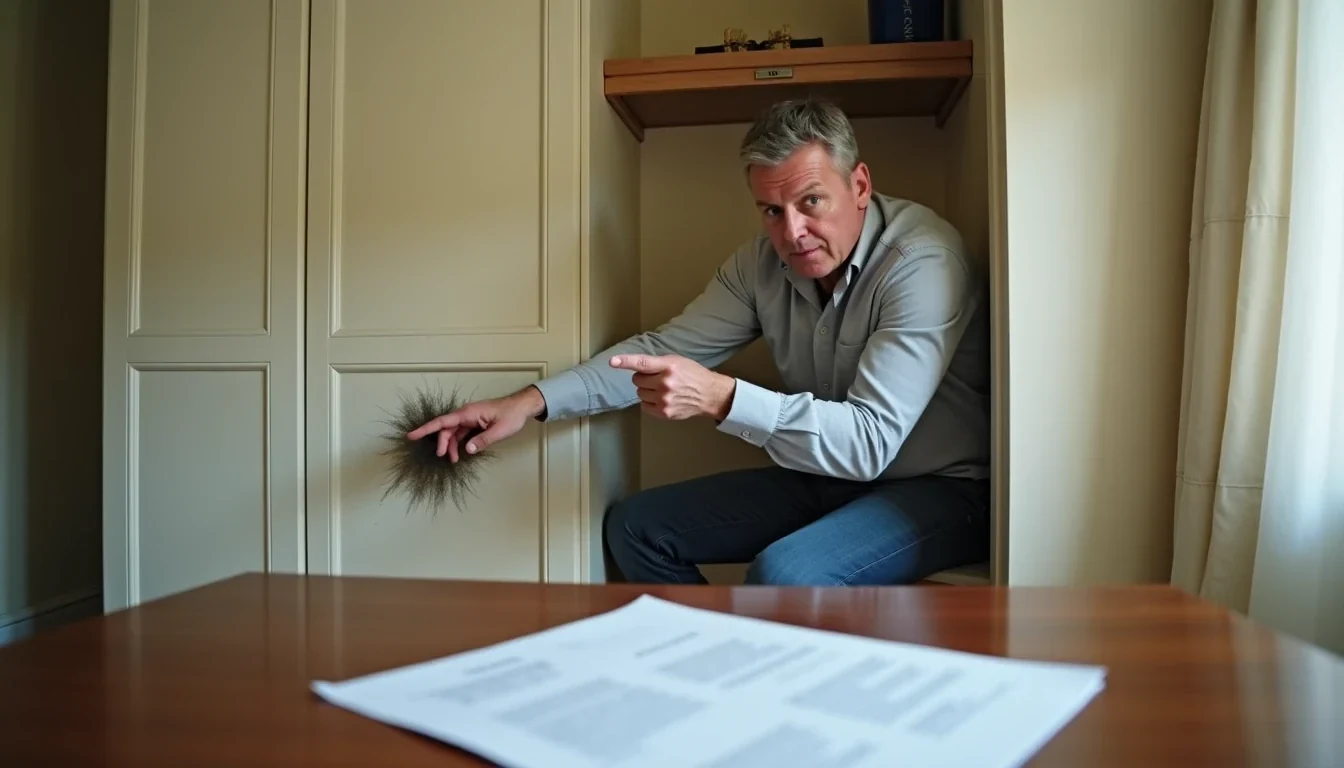
A buyer in Faerie Glen once rang me six months after taking transfer, furious about a damp patch blooming behind the built-in cupboards. The seller had ticked “no” on every box of the disclosure form. The buyer had skipped a professional inspection because, as he put it, “the paperwork looked clean.” The paperwork looked clean because the seller had lived with that damp for three summers and simply chosen not to see it. That case never went to court, but it cost both parties money, time, and the kind of sourness that outlasts any sale price.
Section 67 of the Property Practitioners Act was written for exactly this moment. Since 2019, every property sale or lease handled by a registered practitioner in Pretoria, Centurion, and across the country must include a prescribed disclosure form, signed by the owner before marketing begins. The form is a legal document that records what the seller actually knows about the property they are selling, and it changes how both parties should approach the transaction.
What the Form Actually Covers
The disclosure form runs through the property system by system, asking the seller to confirm or deny known problems: roof condition, damp, cracks in walls or foundations, plumbing, electrical, and geyser function, swimming pools and pumps, stormwater drainage, boundary walls, fences, and any disputes with neighbours over lines or servitudes, environmental risks like subsidence or dolomite, and previous insurance claims for significant damage.
For each category, the seller marks yes, no, or unknown. A “yes” requires explanation, dates, and details of any repairs. An “unknown” is an admission of blind spots that the buyer should investigate further.
In suburbs like Eldoraigne or Garsfontein, where many homes were built during the 1980s expansion, I see the same patterns recur. Sellers disclose the roof leak they patched after last November’s hail. They omit the stain that reappeared in January because they told themselves the repair held. They disclose the pool pump replacement but forget the underground return line that loses pressure every third day. The form captures only what the seller genuinely knows, but human psychology layers convenient forgetting over actual knowledge, and the law draws that line tighter than most people expect.
How Sellers Should Complete It
Honesty here is protective. A seller who discloses a defect on the form removes that defect from later dispute. The buyer sees it, factors it into their offer or their due diligence, and proceeds with eyes open. The seller who conceals it, even passively, leaves themselves exposed.
When I walk owners through the form for homes in Waterkloof or Midstream, I advise three practical steps. First, walk the property specifically to look for problems, rather than assuming familiarity equals knowledge. Open the geyser cupboard. Check the boundary wall after rain. Run every tap simultaneously and watch the drain outside. Second, document any repairs with dates, contractor names, and invoices if available. “Roof repaired 2023, guarantee until 2028” carries weight that “roof fixed” does not. Third, mark “unknown” only where you have genuinely never encountered the issue and have no reason to suspect it. A blanket of “unknown” responses reads as evasion, and evasion invites the professional inspection that might have been optional otherwise.
How Buyers Should Read It
The disclosure form is a starting point, not a finish line. Every “yes” is a conversation starter. Every “unknown” is a flag. Every “no” is a claim to verify, not a promise to trust.
Buyers looking at property in Highveld or Centurion Central should cross-reference the form against their own viewing. If the seller disclosed rising damp, where exactly did they observe it? Does it match what you smell in the bedroom corner? If the seller marked “no” for boundary disputes, does the neighbour’s fence line look recently moved or contested? The form narrows your focus; your own observation and a professional inspection fill the gaps.
A disclosure form showing multiple “yes” answers in structural categories should not necessarily scare you off. It may signal a seller who has maintained records and dealt with problems as they arose. Conversely, a pristine form on a thirty-year-old house in Faerie Glen should raise your alertness, not your comfort. Age produces wear. Perfect paperwork on an imperfect property is the combination that demands the inspector’s phone number.
The Voetstoots Clause and What It No Longer Hides
The voetstoots clause remains common in Pretoria sale agreements, and it still serves a purpose. It protects sellers against claims for latent defects they genuinely did not know existed. A hidden termite colony in a roof void, undiscovered through years of ownership, falls under this protection.
Voetstoots has never protected deliberate concealment, and the disclosure form now makes such claims far harder. A seller who knew about the damp, who lived with the bucket in the cupboard every rainy season, who painted over the stain before listing, cannot hide behind voetstoots simply because the defect was not visible at inspection. The form requires explicit declaration of known defects. Failing to declare what you knew transforms voetstoots from shield into evidence against you.
The Property Practitioners Act strengthens the buyer’s position here by creating a contemporaneous record of the seller’s claimed knowledge at the time of sale. A buyer who later discovers a concealed defect can point to the form, point to the absence of disclosure, and shift the burden of explanation back to the seller.
When to Call the Inspector
The disclosure form costs nothing. A professional inspection typically runs from R3,000 to R7,000 depending on property size and complexity, and in competitive markets like Waterkloof Ridge or Midstream Estate, buyers sometimes hesitate to spend that money.
They should not. The form reflects one person’s subjective knowledge, filtered through memory, optimism, and sometimes calculation. A professional inspector brings objectivity, specialised tools, and no stake in the transaction’s emotional or financial outcome. They identify latent defects the seller never suspected. They assess whether disclosed problems were properly repaired or merely disguised. They estimate future maintenance costs that reshape whether the asking price represents value.
I have seen buyers in Centurion use inspection reports to negotiate R40,000 off a price after the disclosure form revealed nothing. I have seen sellers in Pretoria East who disclosed everything upfront achieve quicker sales at stronger prices because buyers trusted the transparency. The form and the inspection work together, not in competition.
The Hard Truth About Pretoria Properties
Our climate punishes structures. Summer hailstorms test every roof in the eastern suburbs. Winter temperature swings open cracks in older foundations. The dolomite belt running through parts of Centurion creates subsidence risks that owners may not recognise until a door starts sticking or a wall cracks in a characteristic pattern. Pool evaporation rates in January can hide slow leaks that only reveal themselves in water bills over time.
These are not abstract risks. They are specific to this place, to these suburbs, to the houses I show every week. The disclosure form, properly used, brings them into the open where they can be priced, repaired, or accepted. Misused, it becomes another piece of paper that delays the reckoning until someone moves in and starts finding buckets.