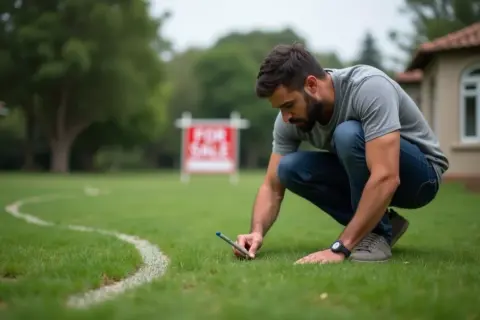
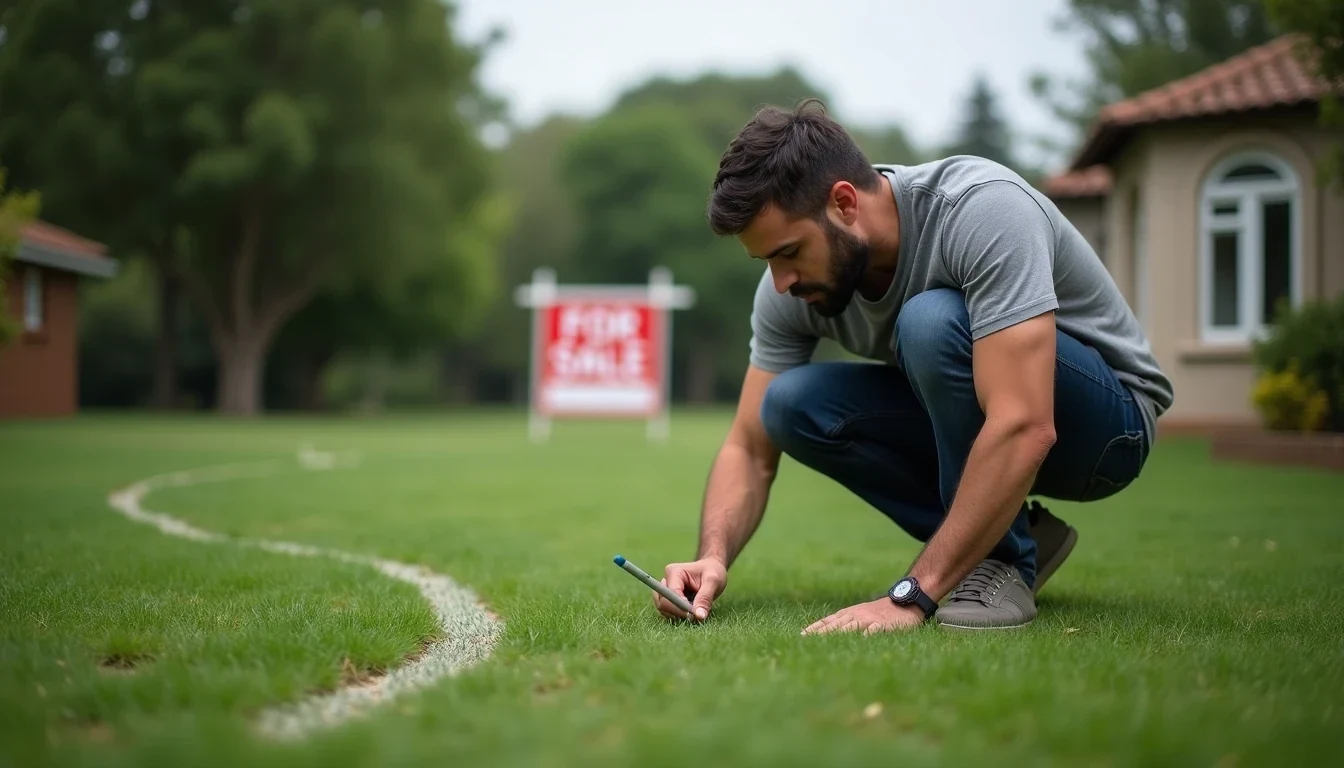
A 2000 square metre stand in Clubview looks like easy money the first time you walk it. The garden stretches forever, the house sits awkwardly to one side, and you start sketching mentally: knock off the granny flat, split the erf, sell the vacant piece for a tidy sum. I have watched this exact thought cross dozens of faces at showhouses across Eldoraigne, Wierda Park, Lyttelton and Rooihuiskraal. The stand size is only the beginning of the conversation. What follows is usually longer, more expensive and far less certain than most owners anticipate.
What the 2024 Land Use Scheme Actually Requires
Tshwane’s 2024 Land Use Scheme governs every square metre of what you can and cannot do. In Centurion’s established suburbs, most properties carry Residential 1 zoning, which permits one dwelling per erf and specifies minimum stand sizes that vary by precinct. Clubview might allow subdivision at 1000 square metres per erf where another pocket demands 500 square metres. The only reliable number is the one attached to your specific property’s zoning category.
Density limits and coverage percentages sit underneath the minimum size rules. The Floor Area Ratio caps how much building you can squeeze onto each new erf, and building lines push structures away from boundaries. Each proposed erf must gain legal access to a public road, either directly or through a panhandle configuration that meets width and length minimums. Servitudes for sewer, electricity or stormwater can swallow the only viable building area on a subdivided portion, rendering what looked generous on paper into something unbuildable.
The Costs Nobody Quotes at the Braai
Professional fees accumulate before the municipality even opens your file. A town planner familiar with Tshwane’s current committees will charge between R75,000 and R150,000 for a standard two-erf subdivision, covering feasibility work, application preparation, public participation management and the endless back-and-forth with departmental officials. A land surveyor beacons the new boundaries after approval, at roughly R30,000 to R60,000 per new erf.
Municipal tariffs bite deeper. The subdivision application itself runs R5,500 to R10,000. Advertising in local newspapers and site notices adds R2,000 to R5,000. Engineering scrutiny fees for water, sewer, road and stormwater plans range from R10,000 to R25,000. Bulk service contributions are unpredictable, landing anywhere from R50,000 to north of R200,000 per new erf depending on whether the existing infrastructure has spare capacity or demands upgrading.
Specialist investigations pile on where geology or environment intervene. Dolomite underlies much of Centurion, including significant portions of Lyttelton, Eldoraigne and Wierda Park. A Phase 1 Dolomite Stability Investigation costs R25,000 to R50,000 and can escalate to Phase 2 work or outright refusal if the ground is too unstable. Civil engineers for service connection designs and environmental consultants for triggered assessments add another R20,000 to R50,000 each where required.
Why Applications Stall or Die
Dolomite risk has killed more subdivisions than neighbour objections. The soluble rock beneath Centurion’s surface creates sinkhole potential that Tshwane takes seriously. A desktop study that looks favourable can unravel once drilling begins. I have seen owners invest six months and R80,000 in professional work before a geotechnical report recommended against development.
Servitudes registered decades ago against title deeds frequently surprise owners who never read beyond the address page. A three-metre sewer servitude across the only flat buildable area of a proposed new erf can make that erf worthless. Access servitudes can block the road frontage you assumed you had. Title deed restrictions from original development schemes sometimes prohibit subdivision entirely, requiring High Court or Registrar of Deeds applications that cost heavily and delay everything.
Municipal service capacity is the silent gatekeeper. Tshwane will not approve a subdivision that overloads existing water, sewer or electrical infrastructure. The applicant who discovers too late that the local transformer or sewer main needs upgrading at private expense often abandons the project rather than pay what can run to hundreds of thousands of rand.
The Real Timeline
Twelve to twenty-four months is the honest estimate, assuming no appeals or major complications. Feasibility and application preparation consumes two to three months. The municipal process, including public participation, departmental comments and committee approvals, stretches nine to eighteen months. Post-approval survey work, service connections and conveyancing add another three to six months before new title deeds issue.
Neighbour objections during the 28-day advertising period can extend this dramatically. A single determined objector with legitimate planning concerns can force redesigns, additional reports or committee rehearings.
What the Numbers Actually Look Like
Consider a hypothetical Clubview property: 2000 square metres with an older three-bedroom house, currently marketable at R2,800,000 as a single residential unit. After successful subdivision into two 1000 square metre erven, the original house on its reduced stand might fetch R2,100,000. The vacant serviced stand could sell for R1,100,000 to R1,300,000. Combined potential value is roughly R3,300,000.
Against this, stack the costs. Town planner, surveyor, geotechnical investigation where dolomite applies, civil engineer: R180,000. Municipal application fees, advertising and scrutiny: R20,000. Bulk service contributions for one new erf: R150,000. Conveyancing for registration: R30,000. Total outlay approaches R380,000.
Net gain sits around R120,000 on paper, before accounting for your time, carrying costs, and the risk that the vacant stand sells at the lower end or takes eighteen months to move. The uplift only materialises once lawful subdivision rights are formally granted, not when you first imagine the possibility.
What Buyers Should Verify Before They Dream
If you are considering a large stand specifically for subdivision potential, commission a town planner’s feasibility opinion before you sign an offer. Verify the zoning category, minimum erf size and density provisions in the 2024 Land Use Scheme. Pull the title deed and trace every servitude. Check whether the property falls within a dolomite risk management zone. Ask Tshwane’s departments informally about service capacity in the area.
Sellers marketing large stands should be equally careful. Advertising “subdivision potential” without qualifying it exposes you to claims from buyers who discover the reality too late. I price these properties based on their current lawful use, then explain the development pathway to serious buyers who can weigh the costs and risks themselves.
The owners who profit from subdivision in Centurion are not the ones who saw a big garden and got excited. They are the ones who spent R15,000 on a proper feasibility study before committing R380,000 to the process.