
Your Pet’s Future In a Centurion Complex Is Not Guaranteed
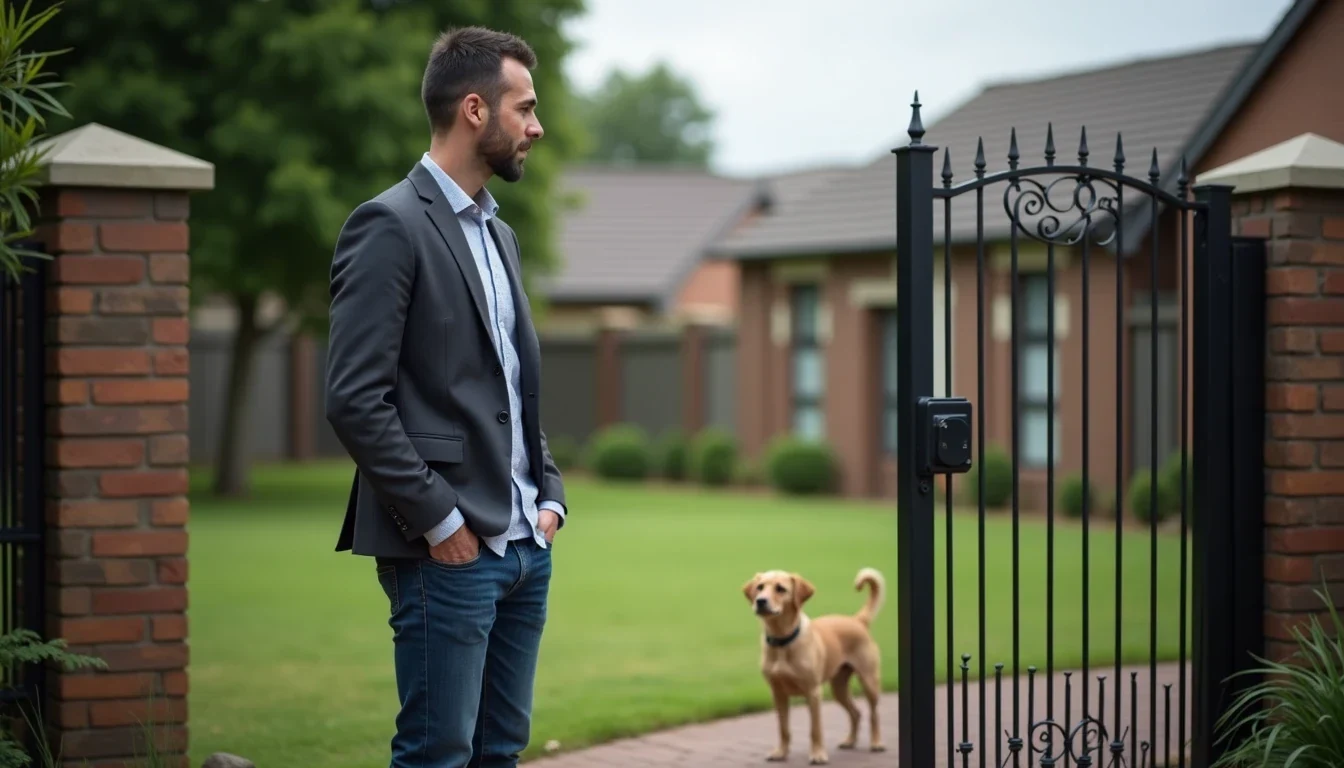
You have seen the sign at the gate, “Pets Welcome,” and assumed that means your Labrador will sleep on the new patio for the next ten years. That assumption has cost more than one buyer in Centurion their deposit, their peace of mind, and eventually their dog. The complex in Highveld where three spaniels currently wander the communal garden does not promise the same life. Those dogs might predate the current trustees. They might belong to an owner who secured written consent under rules that have since tightened. They might simply be tolerated until the next AGM. What you see from the parking bay is not what you sign for at the transfer attorney.
Why “Pet-Friendly” Is a Moving Target
Community schemes in Centurion derive their power to regulate animals from the Sectional Titles Schemes Management Act of 2011 and the Prescribed Management Rules that sit beneath it. Section 3(1)(j) of that Act lets a body corporate draft rules for the control and enjoyment of common property. PMR 1(2)(c) explicitly reaches into your balcony, your garden, and your kitchen floor. A scheme can cap you at two small dogs, exclude specific breeds, or demand written trustee consent for a goldfish. The rules on the books when you view might not be the rules in force when you move. A change of management in a Midstream estate, a cluster of complaints in Eldoraigne, or a single determined trustee in Garsfontein can shift the scheme from relaxed to rigid between one month and the next.
Informal tolerance is the trap. A complex where nobody enforces the no-pet clause looks pet-friendly, but it is not. The presence of animals on the property proves only that enforcement has lapsed, not that permission exists. New purchasers and new tenants are assessed against current, strictly interpreted rules, not against the blind eye that benefited the previous owner. The trustees who waved through the last application might have resigned. The next committee might view your application as the moment to restore order.
What CSOS Actually Says About Reasonableness
The Community Schemes Ombud Service does not hand out blanket approvals for pets. Its adjudicators apply a reasonableness test to the rules already registered by the scheme, and they consistently uphold rules that were properly adopted. A total ban on pets in a scheme with private gardens might fail that test. A rule requiring written consent, leashing in common areas, and noise control will almost always pass. CSOS Practice Directives and published Adjudicators’ Orders show this pattern: verbal assurances and informal tolerance carry no weight in dispute resolution. If you need to lodge an application for conciliation or adjudication, you will be arguing against registered documents with your word against them. That position rarely ends well.
The Checklist Before You Sign
Buyers and renters need specific, verifiable documents. Nothing else protects your pet.
First, obtain the current, officially registered Conduct Rules from the body corporate, the HOA management, or the Deeds Office. Draft versions, email threads, or the seller’s recollection are not enforceable. Confirm the version you hold is the version currently on file.
Second, secure written consent for your specific animal. Do not accept a general “pets allowed” nod from the agent. Get a letter on body corporate or HOA letterhead, signed by an authorised representative, naming your dog or cat, stating the number, type, breed, and size, and detailing any conditions attached. This includes leashing requirements, waste disposal protocols, prohibited common areas, and noise expectations. If the consent mentions a pet levy or non-refundable deposit, confirm the amount and payment schedule in the same document.
Third, for tenants, embed that consent in the lease agreement. Reference the body corporate letter explicitly. A clause saying “tenant may keep pets with HOA approval” is hollow unless the approval is attached and identified.
Fourth, verify the authenticity of what you have been given. Contact the body corporate or HOA management directly using details you sourced independently, not only through the seller’s referral. Ask whether the rules are under review, whether any pet-related disputes are pending, and whether the consent letter you hold matches their records.
What to Walk Around and Actually Look At
Rules on paper do not exhaust the question. A complex might permit your dog while making its life miserable.
Private garden space varies enormously across Centurion sectional-title schemes. A ground-floor unit in Rooihuiskraal might offer a walled courtyard where a medium breed can move. A first-floor apartment in Highveld might give you a balcony where a cat stares through glass. Check whether the enclosure is complete, whether gates latch properly, and whether neighbouring units open directly into the same space.
Walking routes matter. Proximity to the Centurion Dog Park near Rooihuiskraal, or to the green belts that run through some estates, changes the daily rhythm of ownership. A complex without nearby pavement access means loading a restless dog into a car for every outing. Observe the complex itself at different hours. A quiet, elderly-heavy scheme in Lyttelton might register a single bark as a nuisance complaint. A younger, family-dense estate in Midstream might absorb more noise without tension.
Veterinary access is practical geography. Centurion Animal Hospital and Lyttelton Animal Hospital are established options, but driving twenty minutes with a bleeding animal is different from driving five. Note the location of after-hours emergency services relative to the complex you are considering.
Security arrangements affect pet safety directly. Gates that stay open for delivery vehicles, fencing with gaps at the base, or patrol patterns that agitate noise-sensitive dogs all create problems the rules never mention.
The Cost of Getting This Wrong
Proceed without registered rules and written consent, and you are in breach from the day you arrive. The body corporate can levy fines. For tenants, that breach extends to the lease, exposing you to eviction proceedings. The worst case is forced rehoming on short notice, which in Centurion’s rental market often means surrendering the animal entirely. Legal costs for a CSOS dispute or Magistrates’ Court action fall on you. Your prospects of success are poor when the scheme holds properly registered documents and you hold a conversation you once had with the previous owner.
Clubhouse access, a swimming pool, and landscaped gardens are standard selling points. For households with animals, they are secondary to certainty. A complex that guarantees your dog can stay, with clear conditions you can meet, outperforms one with superior amenities and a policy that might reverse itself before your first levy statement arrives. Verify before you commit.
More from Michelle
Your Centurion Title Deed Can Stop Renovations Before You Start
Many Centurion homeowners face costly renovation delays and redesigns due to unexpected servitudes and title deed restrictions discovered too late.
Read the article
What a Home Inspection Reveals In Centurion’s Tricky Climate
Centurion's extreme climate can mask serious home defects like roof leaks or foundation issues, making a comprehensive inspection crucial before buying.
Read the article
Buying Off-Plan in Centurion Requires More Than Developer Promises
Centurion off-plan properties save on transfer duty but can bring material changes or delays.
Read the article